Written by Dr. Craig Mortensen, DC, IFMCP, QME, IFM-Certified Functional Medicine Physician and founder of Premier IFM in Placentia, CA, serving patients throughout Orange County and Southern California.
What Is an Endocrine Disruptor?
An Endocrine Disruptor is basically a human-made chemical that disrupts our natural hormones, not just sex hormones. Hormones also include thyroid hormones, adrenaline, insulin, and cortisol. In fact, there are more than 50 distinct hormones in the human body and over 200 hormone-like chemicals.
Your endocrine system is a network of glands and organs, including the thyroid, adrenal glands, ovaries, testes, pancreas, and pituitary gland, that produces hormones to regulate virtually every function in your body. Hormones govern metabolism, growth, reproduction, sleep, mood, immune function, and more.
Endocrine-disrupting chemicals (EDCs) interfere with this system by mimicking natural hormones, blocking hormone receptors, or altering how hormones are produced, transported, or broken down. Because the endocrine system operates on extraordinarily small concentrations, parts per trillion, even tiny exposures to disruptive compounds can have significant biological effects.
What makes EDCs particularly concerning is the concept of cumulative exposure. No single product is likely to cause harm on its own. But the average person is exposed to dozens of endocrine-disrupting compounds every single day; these can come from food, water, household products, and, yes, personal care products. That cumulative burden adds up.
The Most Common Endocrine Disruptors in Personal Care Products
Parabens — The Most Common Preservative in Conventional Beauty
Parabens — methylparaben, ethylparaben, propylparaben, butylparaben — are preservatives used in the vast majority of conventional shampoos, conditioners, lotions, and cosmetics. They're inexpensive, effective at preventing mold and bacterial growth, and they've been used for decades.
Parabens are also estrogenic, meaning they mimic estrogen in the body. Parabens have been detected in human breast tissue, blood, urine, and breast milk. A 2026 review confirmed their association with reproductive toxicity, hormone imbalance, and disrupted thyroid function.
For women who are pregnant, breastfeeding, or dealing with hormonal conditions like PCOS, endometriosis, or estrogen dominance, daily paraben exposure is not a small consideration.
Phthalates — Hidden in "Fragrance"
Phthalates are a group of chemicals used to make plastics more flexible and to help fragrance linger on skin and hair. They are commonly found in shampoos, conditioners, hairsprays, body washes, and specifically in products that list "fragrance" or "parfum" as an ingredient.
"Fragrance" is a legally protected trade secret in the United States. A single fragrance ingredient on a label can represent a blend of hundreds of chemicals, including phthalates, that manufacturers are not required to disclose individually. This loophole means that products labeled "unscented" may still contain masking fragrances loaded with phthalates.
Research has linked phthalate exposure to reduced testosterone in men, disrupted ovarian function in women, preterm birth, and developmental abnormalities in children. A 2024 study found that phthalate exposures were associated with significantly higher rates of preterm birth, with the largest effects in the most vulnerable populations.
Phthalates are also antiandrogens, meaning they interfere with male hormone signaling. Exposure during critical windows of fetal and infant development is of particular concern.
Phthalates do not just enter our bodies through our skin; we can breathe them in as well, in the form of scented candles and air fresheners.
Formaldehyde and Formaldehyde-Releasing Preservatives
Formaldehyde is a known human carcinogen, classified as Group 1 by the International Agency for Research on Cancer. It's also an endocrine disruptor with documented effects on thyroid hormone signaling.
While most brands no longer add formaldehyde directly, many use preservative systems that slowly release formaldehyde over time, including DMDM hydantoin, imidazolidinyl urea, diazolidinyl urea, and quaternium-15. These compounds are found in shampoos, conditioners, body washes, and baby products.
A 2023 study found formaldehyde-releasing preservatives in a significant percentage of baby shampoos and wash products tested, products specifically marketed for use on newborns and infants whose skin is more permeable than adult skin and whose detoxification systems are still developing.
Synthetic Fragrances — The Umbrella Ingredient
Beyond phthalates, synthetic fragrance ingredients have been linked to hormone disruption, allergic sensitization, respiratory irritation, and neurotoxicity. The Environmental Working Group's analysis found that the average fragrance product tested contained 14 secret chemicals not listed on the label, many with no safety testing data available.
For someone with existing hormone imbalances, autoimmune conditions, or chemical sensitivities, fragrance is one of the most impactful ingredients to eliminate first.
Oxybenzone and Chemical UV Filters
Found in most conventional sunscreens and often in daily moisturizers and SPF-containing foundation products, oxybenzone is a chemical UV filter with well-documented estrogenic activity. It has been detected in human blood, urine, and breast milk, and it is rapidly absorbed through the skin; measurable levels appear in blood within two hours of application.
The FDA has acknowledged that oxybenzone and several other chemical UV filters are absorbed into the bloodstream at levels that exceed its own safety thresholds. The European Union has moved to ban several chemical UV filters from cosmetics, including 4-MBC, which was banned in 2024, citing evidence of endocrine disruption.
Physical blockers like zinc oxide and titanium dioxide are safer alternatives and widely available in clean beauty formulations.
Triclosan — Still Lurking
We covered triclosan in depth on the Premier IFM blog; it was banned from hand soaps in 2016 but remains permitted in cosmetics, skincare, and some haircare products. It's an antimicrobial agent with documented thyroid-disrupting properties, contributions to antibiotic resistance, and links to immune disruption. If you see triclosan on a personal care product label, put it back on the shelf.
Why Baby Products Deserve Extra Attention
If you are thinking, wow, these products are dangerous! Now think about the products you put on your tiny baby who is so much more vulnerable. One product once in a while might not do a ton of harm, but adding up all the products you put on your body daily should not be taken lightly.
Babies are not small adults. Their skin is significantly more permeable than adult skin; therefore, a higher percentage of what is applied absorbs into the bloodstream. Their developing organ systems, including the liver, kidneys, and neurological system, are not yet fully equipped to process and eliminate toxic compounds. And their endocrine systems are at the most active and sensitive developmental stage of their lives.
Exposure to endocrine-disrupting chemicals during critical developmental windows can have consequences that persist for years or decades, affecting hormonal development, neurological function, immune programming, and metabolic health.
A 2024 NIH-funded study found that personal care product use during puberty may affect breast cancer risk. If the exposure window matters during puberty, it matters even more during infancy when endocrine development is even more active.
The conventional baby product market is not held to a higher safety standard than the adult product market. In the United States, cosmetic ingredients are largely self-regulated by the industry. The word "gentle" on a baby shampoo label means nothing from a regulatory standpoint. Reading the actual ingredient list is the only way to know what's in the bottle.
What to Look for — and What to Avoid in Your Personal Care Products
When evaluating any personal care product, for yourself, for your family, or for your baby, here's a practical checklist:
Avoid these ingredients:
- Parabens (methylparaben, ethylparaben, propylparaben, butylparaben)
- Phthalates — and any product listing "fragrance" or "parfum" without full disclosure
- Formaldehyde and formaldehyde-releasing preservatives (DMDM hydantoin, imidazolidinyl urea, quaternium-15)
- Oxybenzone and other chemical UV filters (avobenzone, octinoxate, octisalate)
- Triclosan and triclocarban
- Synthetic fragrance without ingredient disclosure
Look for:
- Full ingredient transparency
- No proprietary "fragrance" blends
- Naturally derived preservatives
- Physical UV filters (non-nano zinc oxide, titanium dioxide) in SPF products
- Third-party testing or certification where available
Final Thoughts on Endocrine Disruptors
I like to do this little exercise on endocrine disruptors during my educational talks. Think about when you shower: do you use soap, shampoo, conditioner, and face cleanser? How about when you get out of the shower, do you put lotion on? What about your hair and makeup? What do you add to that? The numbers add up very quickly, especially in women; it’s no wonder Hashimoto’s is more common in women.
Your skin is not a barrier; it's a sponge, and it is the largest organ in your body. What you put on it goes in. And when you add up 9 to 15 products per day, 365 days a year, across decades of life, the cumulative exposure from conventional personal care products is not trivial from a hormonal health standpoint.
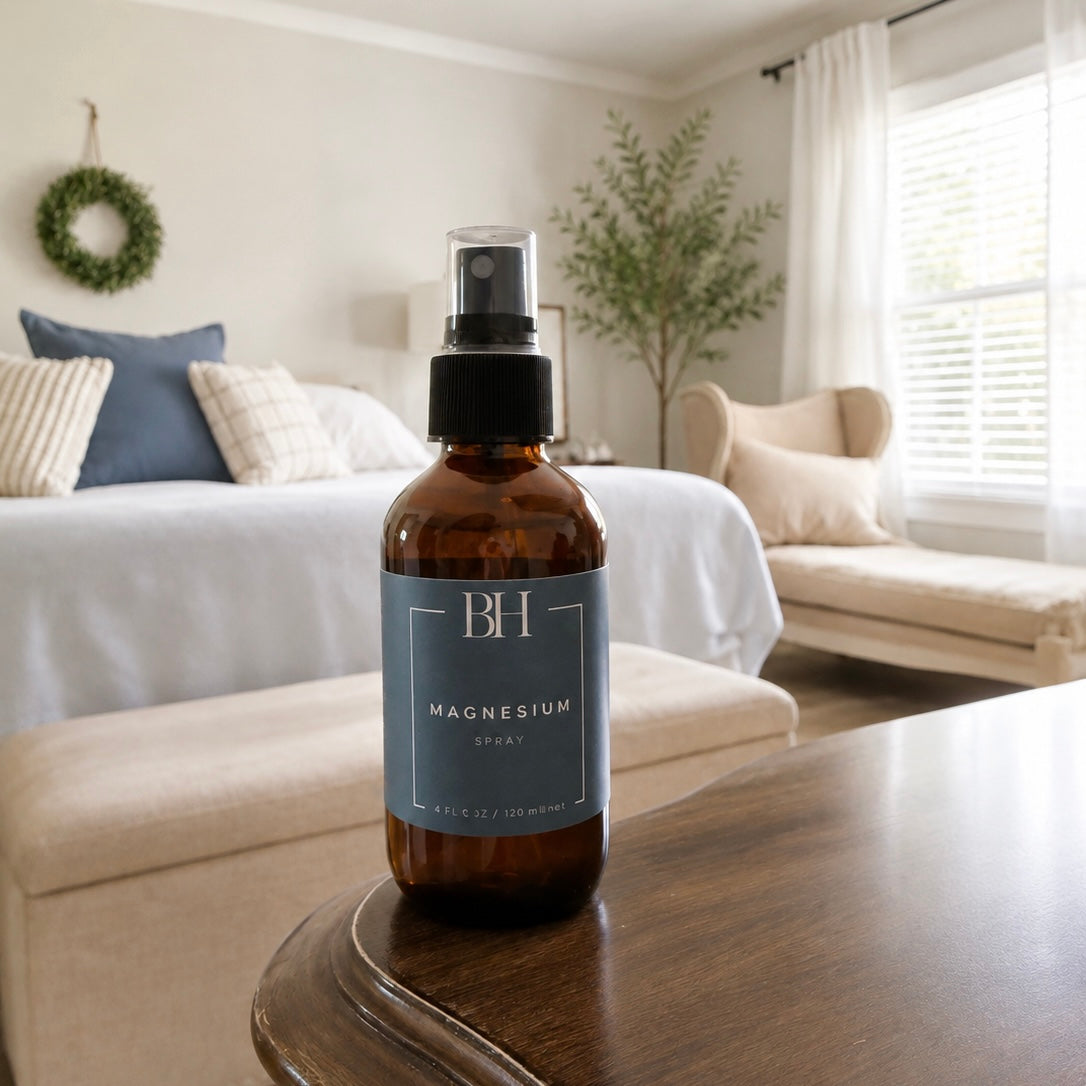
At Premier IFM, we talk about reducing toxic burden as a foundational part of functional medicine care. Choosing clean personal care products for yourself, and especially for your children, is one of the most impactful and accessible steps you can take. We are proud to carry Bella Hue in office! We also use them ourselves. In case you are wondering, the clarifying shampoo bar is our family’s favorite.
Dr. Craig Mortensen, DC, IFMCP, QME is the founder of Premier IFM, an integrative functional medicine practice in Placentia, CA serving patients throughout Orange County and Southern California. Learn more at premierifm.com.

Leave a comment
This site is protected by hCaptcha and the hCaptcha Privacy Policy and Terms of Service apply.